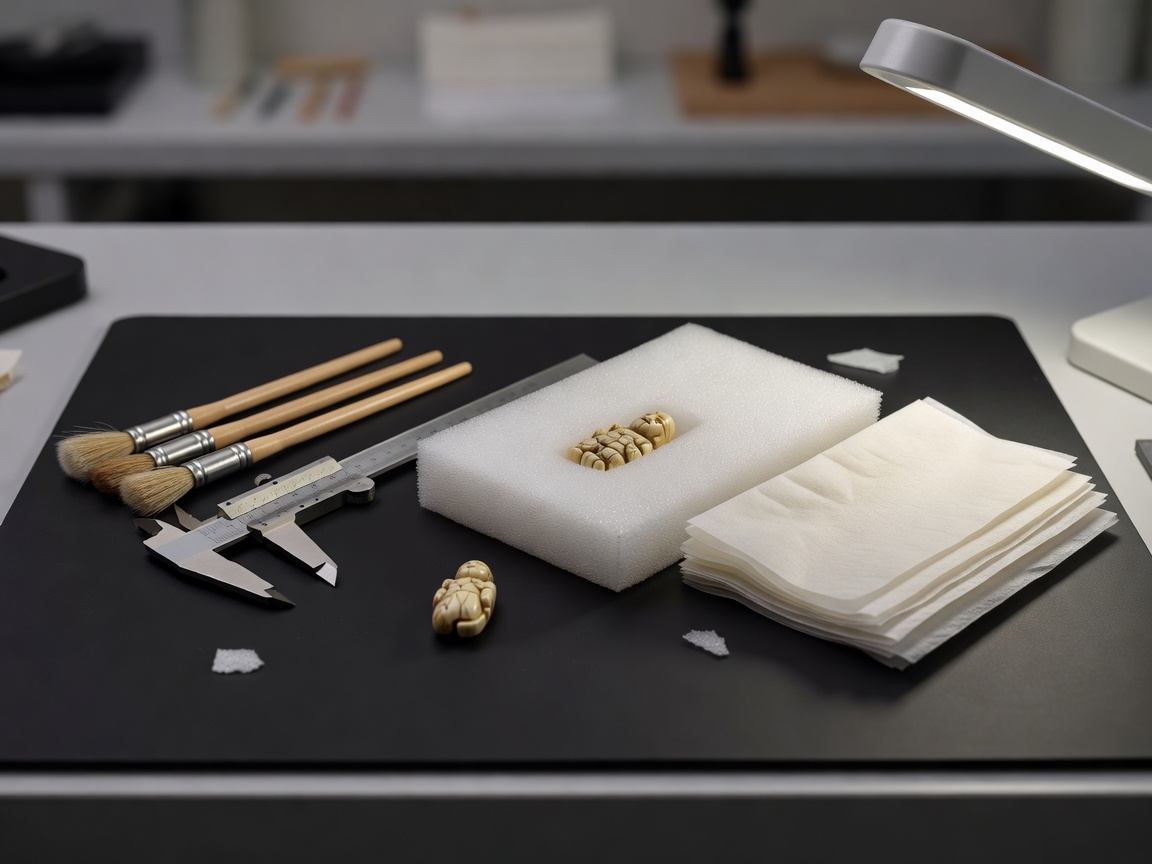
01 / OBJECT ASSESSMENT
01 / Object assessment
Museum Object Packing
Identify the object, its sensitivities, dimensions and handling needs before protective materials are selected.
Read the guide →Collection Care Logistics / 01
Museum objects require planned preparation, appropriate protective materials, careful documentation and transport-aware packing. This independent resource sets out the decisions that shape a controlled packing process.
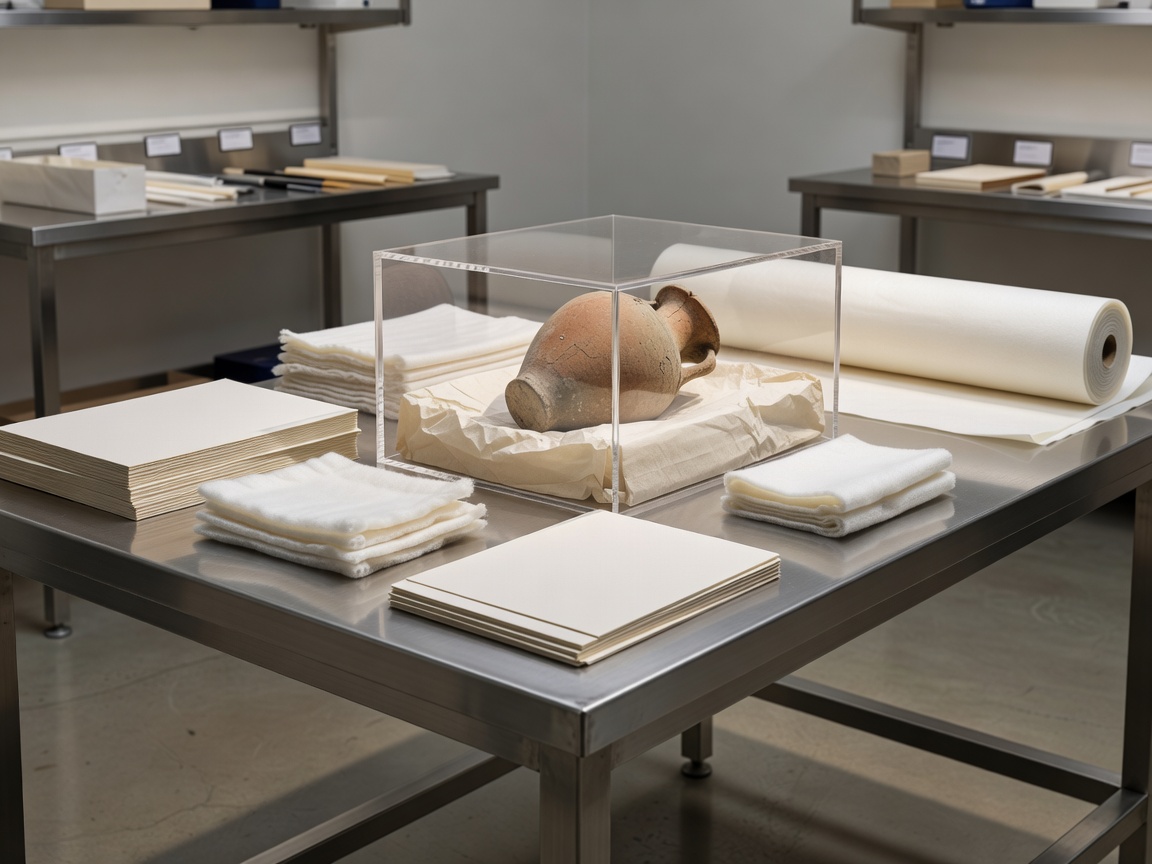
FIELD NOTE 01 / Preparation workspace / Materials selected by object need
02
Object identity, dimensions, material sensitivity and handling requirements influence every later decision. Packing is therefore planned around the object and its journey, not around a standard container.
Independent planning information. Specialist collection-care, conservation, packing and logistics professionals should assess valuable or vulnerable objects.
Operational guides
01 / OBJECT ASSESSMENT
01 / Object assessment
Identify the object, its sensitivities, dimensions and handling needs before protective materials are selected.
Read the guide →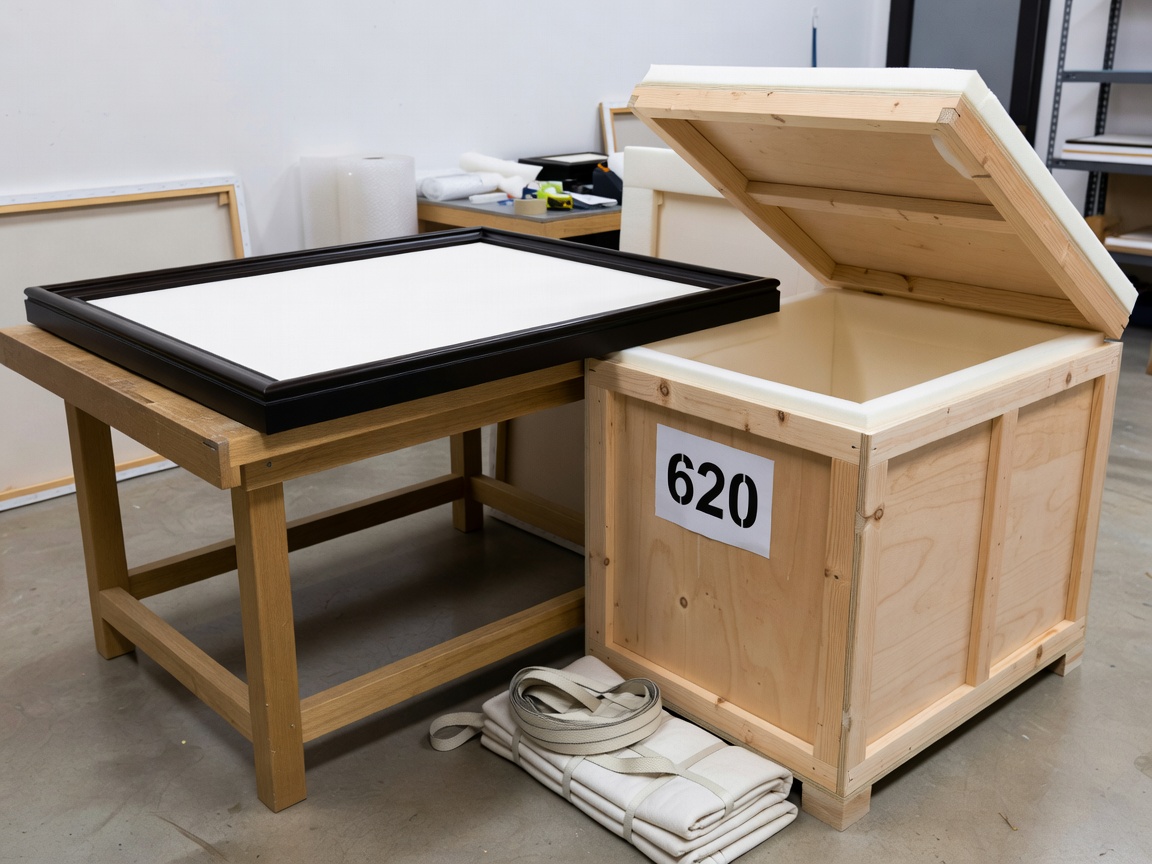
02 / PROTECTIVE SEPARATION
02 / Artwork protection
Compare protective packing with transport-oriented crating for framed, sculptural and irregular works.
Read the guide →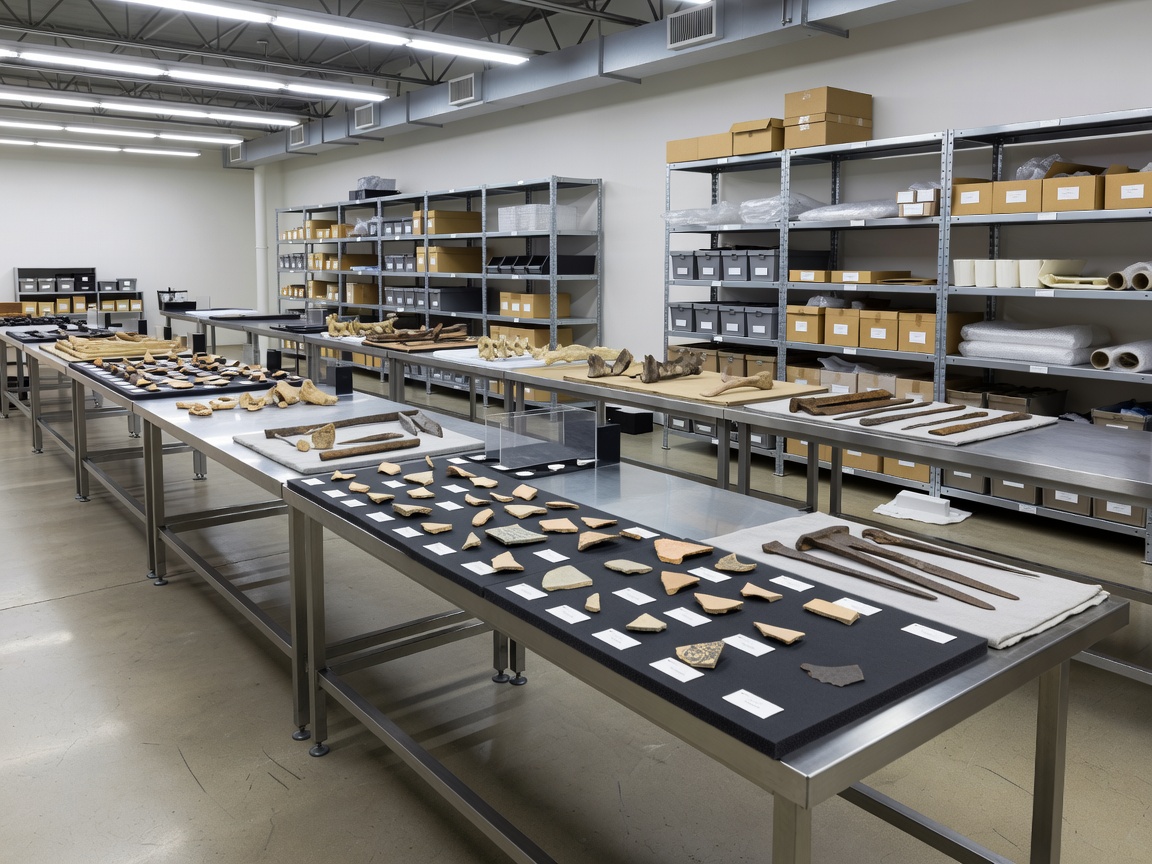
03 / WORKFLOW SEQUENCE
03 / Collection workflow
Bring inventories, object groups, preparation schedules and movement coordination into one workable sequence.
Read the guide →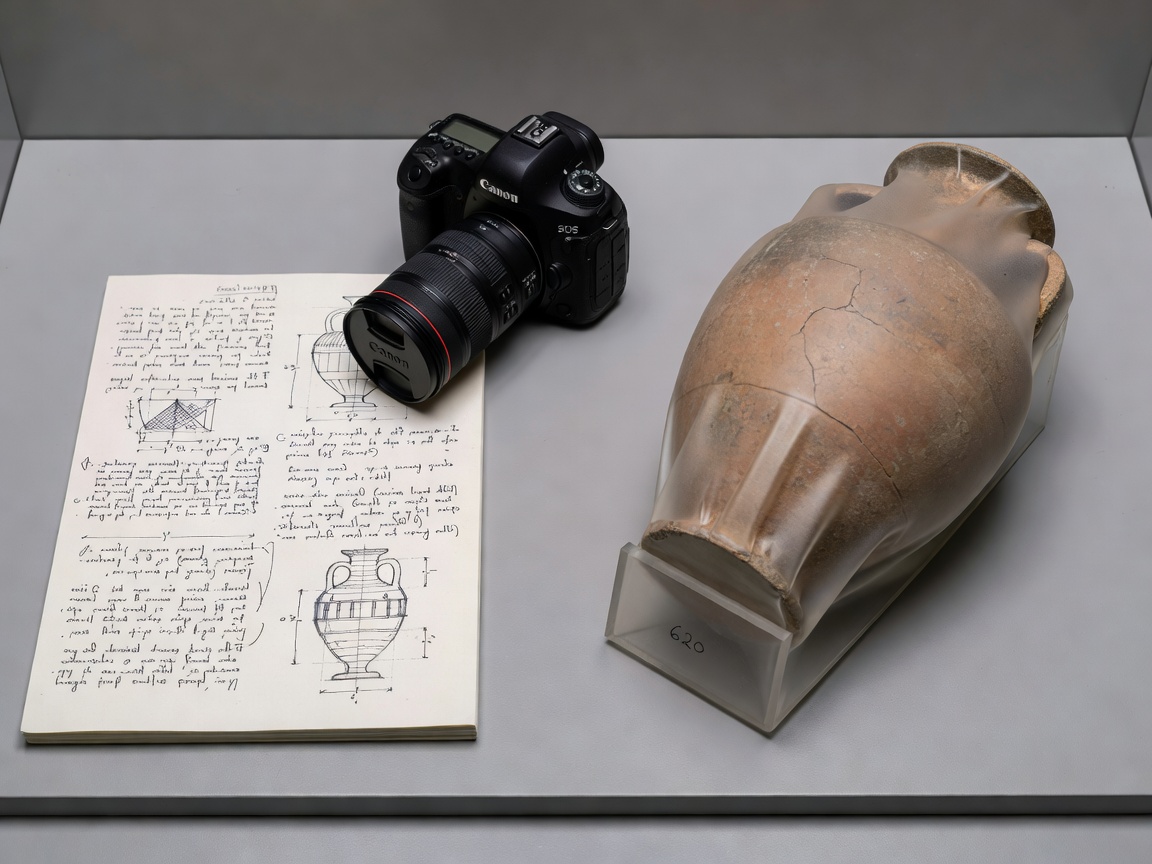
04 / CONDITION RECORD
04 / Documentation
Build consistent pre-packing records, photographs, labels and notes for later comparison.
Read the guide →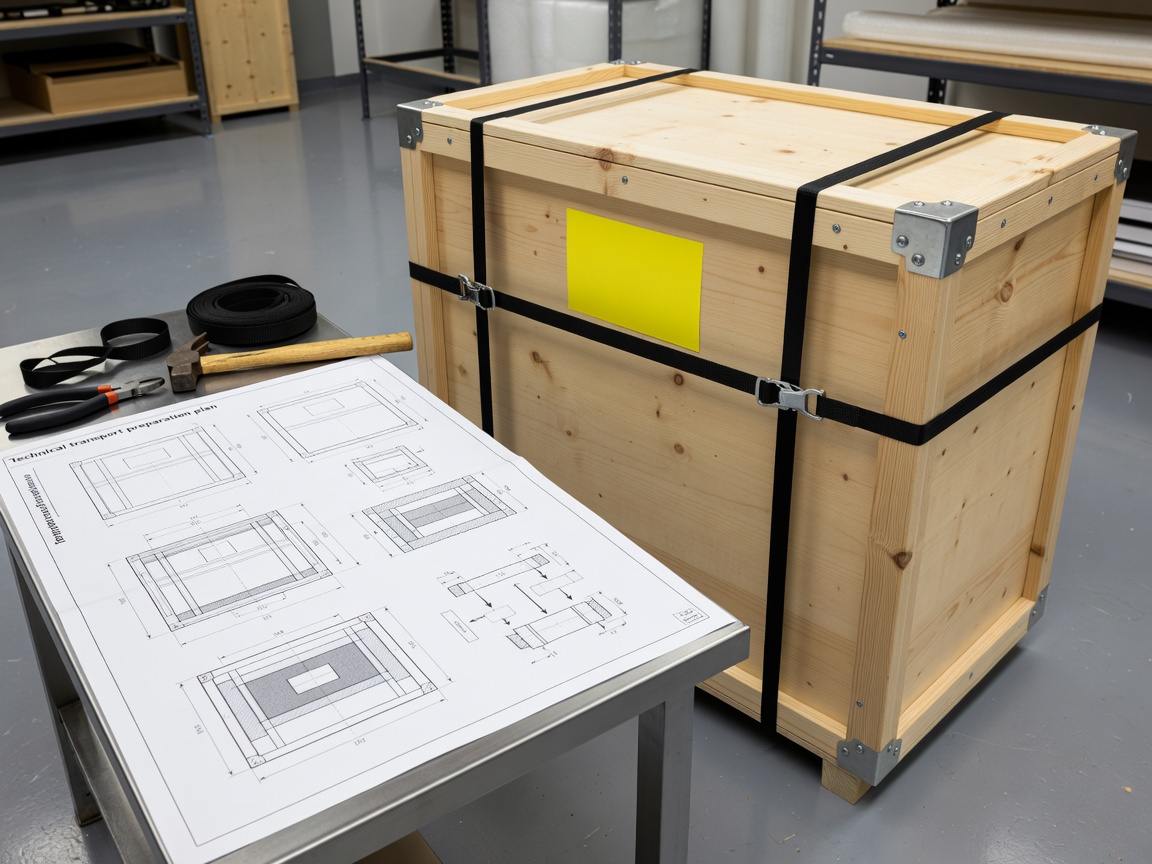
05 / JOURNEY PLANNING
05 / Transport planning
Connect route, timing, access, environmental considerations and contingency planning.
Read the guide →Working method / 03
Each stage produces information for the next. A change in object condition, dimensions or route can require the sequence to be reviewed.
Confirm identity, dimensions, material sensitivity and handling requirements.
Set the workspace, materials, labels, documentation and access plan.
Plan separation layers, surface protection and suitable internal support.
Place the object within a controlled protective system appropriate to its form.
Record the completed packing condition, identifiers and transport notes.